


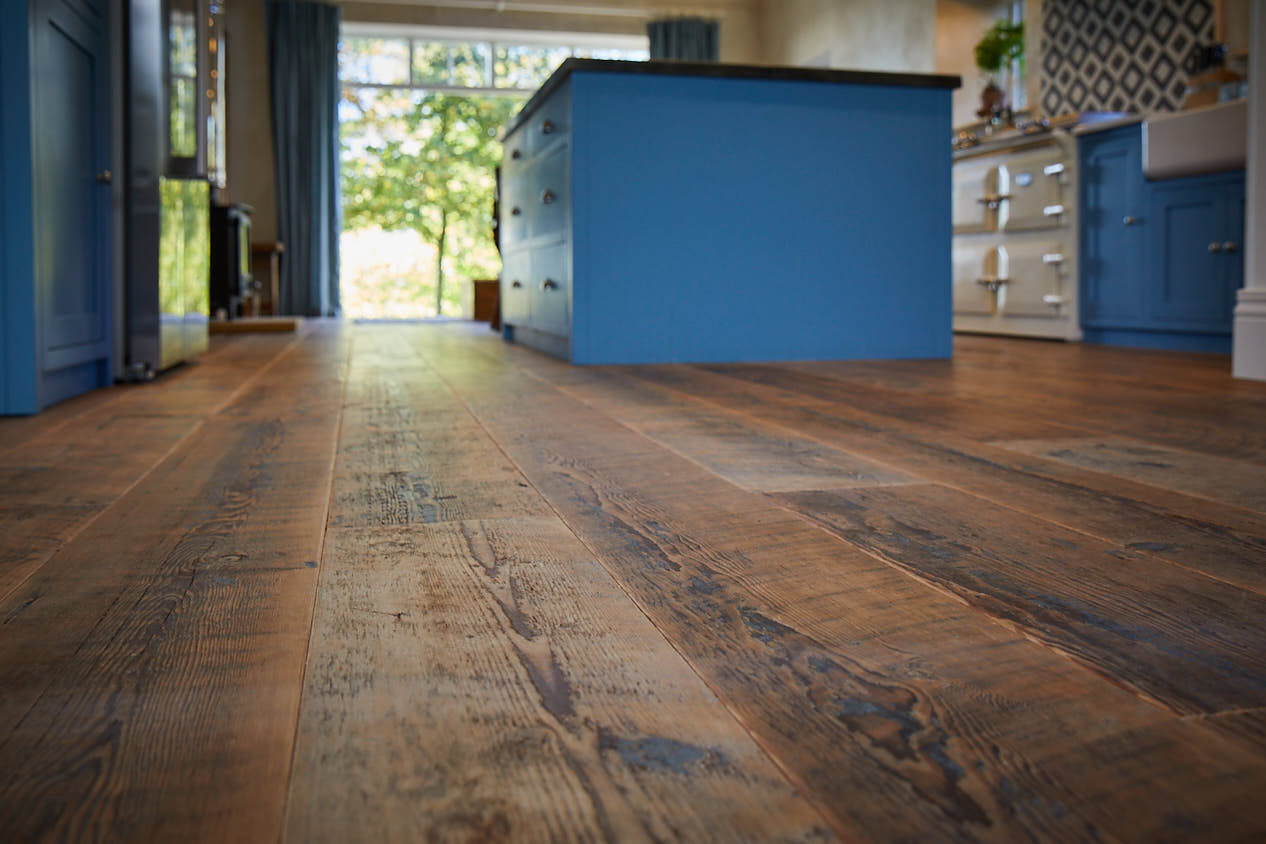

The Main Company
15 Sep 2026
The finish on a wood floor does more work than most people give it credit for. It decides how the floor looks, how it wears and what a scratch or a wine spill does to the surface. Oil, lacquer and wax are the three main options, and each one changes the relationship between you and your floor for years to come.
This guide walks through what each finish is, how they compare and how to pick one for your home.
Types of Wood Floor Finishes
Oil soaks into the wood rather than sitting on top of it. It reacts with the timber fibres and hardens inside the grain, so the surface keeps a natural, tactile feel and the wood can still breathe. There are a few variants worth knowing: natural oil, hardwax oil (a blend of oil and wax that cures harder and needs less upkeep), and UV-cured oil, which is baked on with ultraviolet light during manufacturing and holds up better than site-applied oil.
Lacquer is a film-forming finish, usually water-based or solvent-based polyurethane, that sits on top of the wood as a sealed, transparent layer. Think of it as a shell rather than something the timber absorbs. Most modern lacquers are applied in several thin coats and cure into a hard, closed surface that keeps moisture, dirt and spills out.
Wax is the oldest of the three and the least common on new floors now. It sits on the surface in a soft layer, giving a warm, low sheen, but it scuffs and marks easily and needs reapplying often. You’ll still find it on period properties and reclaimed boards where an authentic, aged look matters more than low maintenance.
Some reclaimed and engineered floors, including much of what we make at Main, arrive pre-finished from the workshop, so the choice has often already been made carefully before the boards reach your door.
Pros and Cons of Different Finishes
Oil
- Enhances the natural grain and colour rather than sitting over it
- Scratches and worn patches can be spot-repaired without redoing the whole floor
- Less slippery underfoot than a glossy lacquer
- Needs more frequent maintenance, typically an oil top-up every one to two years in busy rooms
- Offers less resistance to standing water than lacquer
Lacquer
- Hard-wearing and easy to keep clean, which suits kitchens, hallways and family homes
- Strong resistance to spills, scuffs and everyday knocks
- A deep scratch shows up as a pale mark in the coating and is harder to disguise
- Sits over the wood rather than in it, so the surface feels less like bare timber underfoot
- Full recoating eventually means light sanding and reapplying several coats, not just a quick top-up
Wax
- Gives an authentic, softly aged look that suits older or reclaimed timber
- Simple to patch by hand in a small area
- Marks easily from water, heat and general wear
- Needs reapplying every six to twelve months to stay protective
- The least durable of the three under heavy foot traffic
Sheen and Finish Levels
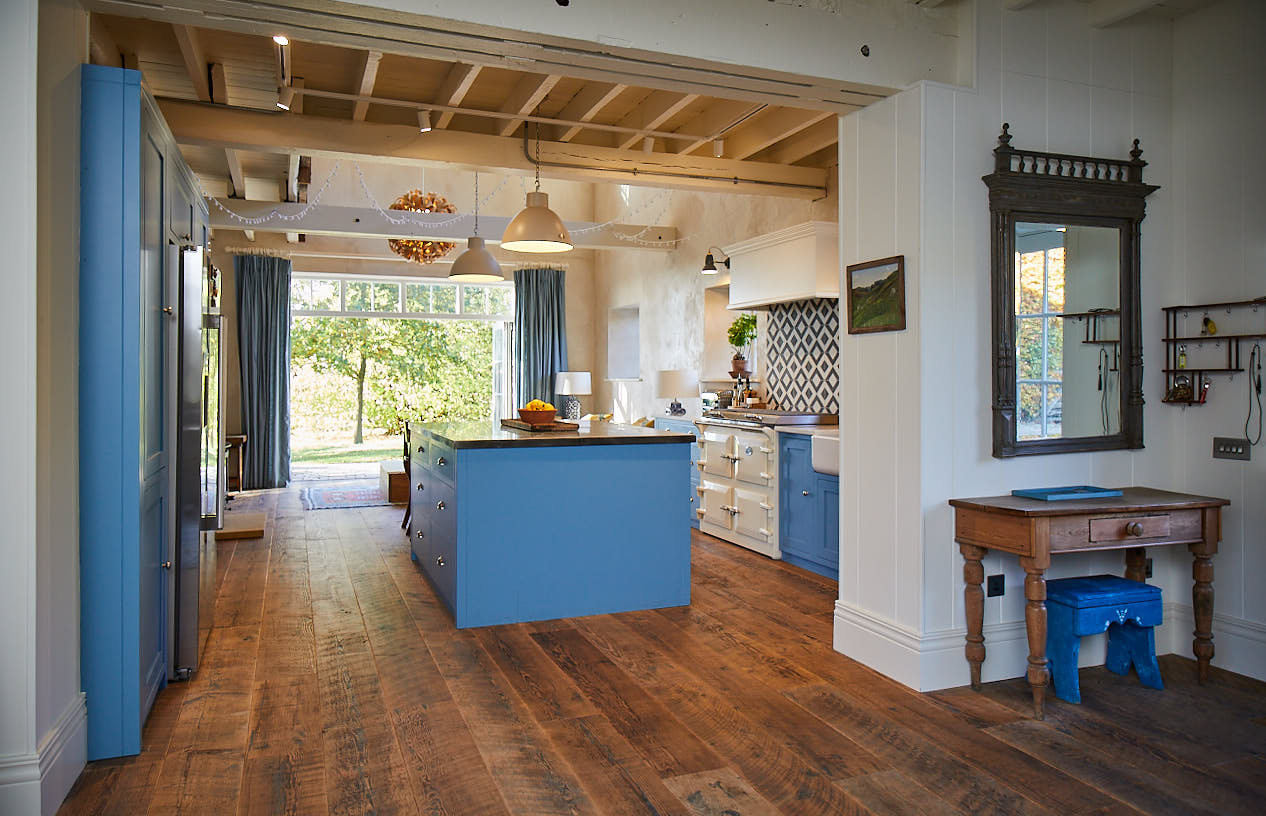
Sheen is a separate decision from the finish type, though the two are linked. Oil generally sits at the matte to satin end of the scale, since it soaks into the wood rather than building a reflective layer on top. Wax tends to land somewhere between matte and a soft, low sheen.
Lacquer is where you get the most choice, and at Main we offer a few different sheen levels rather than one standard finish:
- Raw lacquer: 2% sheen level, about as flat and matte as lacquer gets
- Raw matte lacquer: 6% sheen level, still very low sheen with a touch more depth to the surface
- Matte lacquer: 10% sheen level, our most requested option, low sheen but with a little more presence than the raw finishes
If a higher sheen would suit the room better, we can look at that for you too.
As a rough guide, the lower percentages hide dust, footprints and minor wear better, which makes them a practical choice for hallways, kitchens and homes with children or pets. Higher sheens show more of the wood’s depth and colour but also show more of the daily marks, so they need more frequent cleaning to look their best.
Choosing the Right Finish
There’s no single best finish. There’s a best finish for the room, the household and how much maintenance you’re prepared to keep up with. A few things worth weighing up:
Foot traffic. A hallway, kitchen or open-plan living space sees far more wear than a guest bedroom. Lacquer tends to suit the high-traffic rooms; oil suits calmer spaces where its lower resistance to knocks matters less.
Look and feel. If you want the floor to look and feel like real timber underfoot, oil or hardwax oil gets you closer to that. If you want a glassy, uniform surface, lacquer is the better match.
Households with pets or children. Spills, scratches and general chaos favour a durable, easy-clean lacquer. That said, oiled floors are genuinely easier to spot-repair, so a scuffed patch doesn’t mean redoing the whole room.
Underfloor heating. Both oil and lacquer work with UFH, provided the flooring itself (engineered rather than solid, in most cases) is designed for it and the system is brought up to temperature gradually.
How hands-on you want to be. Oil rewards regular, light maintenance and forgives you for it. Lacquer asks less of you day to day but is a bigger job when it eventually needs redoing.
Reclaimed or characterful timber. Older, salvaged boards often look best with a finish that lets their marks, colour variation and history show through, which is usually oil or wax rather than a high-gloss lacquer.
Maintenance and Care Guidelines
Day-to-day care is similar across all three finishes; keep grit off the floor, since it’s the main cause of surface scratching, and mop up spills before they sit.
- Sweep or vacuum regularly using a soft flooring attachment, not a beater bar, to lift dust and grit before it gets ground in underfoot.
- Use a barely damp mop, not a wet one, for cleaning. Standing water is the fastest way to damage any wood floor, whatever the finish.
- Use the right product for the finish. Oiled floors benefit from an oil-based soap that feeds the finish as it cleans; lacquered floors just need a pH-neutral cleaner that won’t dull the coating.
- Fit felt pads under furniture and use rugs or runners in the busiest routes to cut down on wear where it happens most.
- Top up oil finishes roughly every one to two years in busy rooms, less often in quieter spaces. A light coat of maintenance oil keeps the protection topped up before it thins out.
- Rewax annually if you’ve gone with a wax finish, more often in high-traffic areas.
- Avoid steam mops on any wood floor. The heat and moisture can lift finishes and damage the timber underneath.
Refinishing and Recoating Procedures
Every finish eventually needs attention, but what that involves varies a lot.
Oil is the most forgiving to maintain. Worn patches can usually be cleaned, lightly abraded and re-oiled by hand without touching the rest of the floor, which is one of the main reasons people choose it for busy family homes. A fuller refresh means cleaning the whole floor, applying a fresh coat of maintenance oil, and letting it cure, typically over a day or two before normal use resumes.
Lacquer generally lasts longer between full refinishes, often several years under normal use, but the job itself is bigger. It usually means a light sanding to key the surface, followed by two to three fresh coats of lacquer, with drying time between coats. This isn’t a same-day job and is worth planning around, especially in a room you use daily.
Wax is easiest to spot-treat; a light buff and a fresh coat of wax in the worn area blends back in reasonably well. A full rewax across the whole floor is a straightforward job but needs doing more often than either oil or lacquer maintenance.
Whichever finish you have, a full sand-down and refinish (going back to bare wood) is only needed occasionally, usually after years of wear or if a floor has been neglected. For most homes, staying on top of the maintenance routine above pushes that point a long way into the future.
Expert Advice and Frequently Asked Questions
Can I change from one finish to another?
Yes, but it means sanding back to bare wood first, since oil and lacquer won’t bond properly over each other. It’s a bigger job than a routine recoat, so it’s worth being sure about the switch before committing.
Which finish is best for a kitchen?
Lacquer is the more forgiving choice around spills and standing water, though a well-maintained hardwax oil floor also copes reasonably well and is easier to spot-repair if something goes wrong.
Does the wood species affect which finish to choose?
Softer woods show wear faster under any finish, so a harder-wearing lacquer can help protect them. Dense hardwoods like oak generally take all three finishes well.
How long does a fresh finish take to cure?
Oil is usually walkable within a day but takes longer to fully harden, often a couple of weeks, so it’s best to avoid rugs and heavy furniture in that time. Lacquer typically needs 24 to 48 hours before light use and longer before rugs go back down.
Is one finish more eco-friendly than the others?
Natural oils and hardwax oils generally contain fewer solvents than traditional lacquers, though water-based lacquers have narrowed that gap considerably in recent years.
Do reclaimed or antique boards need a different approach?
Older timber often has more movement and character than new-sawn wood, so it’s worth having it assessed by whoever finished it, or a specialist, before choosing a maintenance routine. What works on a uniform new floor doesn’t always suit a board with decades of history in it.
Get It Right From the Start
The easiest way to avoid finish problems down the line is to start with a floor that’s been finished properly in the first place. At Main, our reclaimed and hand-aged engineered flooring is sourced, restored and finished by our own team in our Yorkshire workshop. Every board has a birch-ply core with a solid wood veneer, joined with a proper tongue and groove rather than a click system, and built to work with underfloor heating in a modern home.
Because we handle sourcing, restoration and finishing ourselves, we can talk you through exactly what’s gone into a floor before it arrives, whether that’s a reclaimed board salvaged from an old textile mill or a hand-aged engineered floor built for a contemporary space. You’re welcome to visit our workshop in Yorkshire or our showroom in London to see and feel the finishes in person before deciding.
Take a look at our wood flooring collections or get in touch to talk through what would suit your space.

